
Tinder Using AI, OpenAI Hits 1M Business Users, Perplexity Powers Snapchat, & Startup Fundraising!
This Week in AI Newsletter 11/6/2025

Thanks for tuning into today’s This Week in AI Daily Newsletter!
Plus: Two must-read books that explain how AI works and how it got here, covering both the science and the story behind it!
- Oliver
OpenAI has reached 1 million business customers, marking another major milestone as the fastest-growing business platform in history. The company now counts 7 million total seats, up 40% in just two months, and ChatGPT usage has surged 9x year-over-year. They have targeted businesses through tools like company knowledge, Codex (10x usage since August), and AgentKit. More here.

Fomo, a consumer crypto trading app, has raised a $17M Series A led by Benchmark. The team took an unconventional fundraising approach, building a list of their top 200 dream angel investors and cold-emailing each one. The strategy worked: 140 of them invested after hearing the pitch, including Balaji Srinivasan and Solana co-founder Raj Gokal. Fomo lets users buy, sell, and track millions of crypto assets while following and learning from others’ trades through built-in social features. More here.
Diffusion-based AI model developer Inception has raised $50M in a round led by Menlo Ventures. The company was founded by Stanford professor Stefano Ermon, a leading researcher in diffusion models. Unlike word-by-word text generation, diffusion models produce output through iterative refinement, gradually improving results over multiple cycles of feedback, evaluation, and adjustment. More here.
Yesterday, OpenAI’s Sarah Friar said that the company wanted a federal backstop for new investments. Today the CFO walked back her statements saying that she misused the word backstop. The overall theme of the statement was that she wants a federal guarantee to make it easier to finance massive investments in AI chips for data centers. Video here. @Jason X.
Microsoft has unveiled its post–OpenAI strategy, focusing on developing fully independent AI models. Under the leadership of AI chief Mustafa Suleyman, the company has formed the new MAI Superintelligence Team, dedicated to creating advanced AI systems that are both safe and aligned with human values. Microsoft’s plan focuses on healthcare and scientific breakthroughs while keeping AI development under human oversight. More here.
Tinder is using AI to recommend better matches, with access to your camera roll. Match Group, the app’s maker, seems to be trying everything they can as they’ve now reported nine straight quarters of subscriber declines. The new feature, called Daily Drops, will provide users with personalized recommendations. They are beginning the role out in New Zealand and Australia. More here.
Perplexity will pay Snap $400 million in cash and equity to become the AI search engine directly integrated into Snapchat. The announcement follows Snapchat’s stronger-than-expected earnings, reporting revenue of $1.51 billion versus $1.49 billion expected, EPS of -$0.06 versus -$0.12 expected, and 943 million monthly active users — up 7% year over year. The AI integration is set to launch in January 2026. More here and here.
Google is launching a new AI chip called Ironwood, the 7th generation of its Tensor Processing Unit (TPU). The chip will be available for public use in the next few weeks. Built by Google, it is designed to train large models and power chatbots and AI agents. According to Google, Ironwood is four times faster than its previous version. The arms race between Google, Meta, Amazon, and Microsoft continues. More here.
Apple will pay Google $1B annually to power the new Gemini-powered Siri. The move comes after Apple has struggled to develop an AI product internally. The new model will feature 1.2 trillion parameters, compared to the current model’s 150 billion. More here.
This Week in AI Book recommendations:
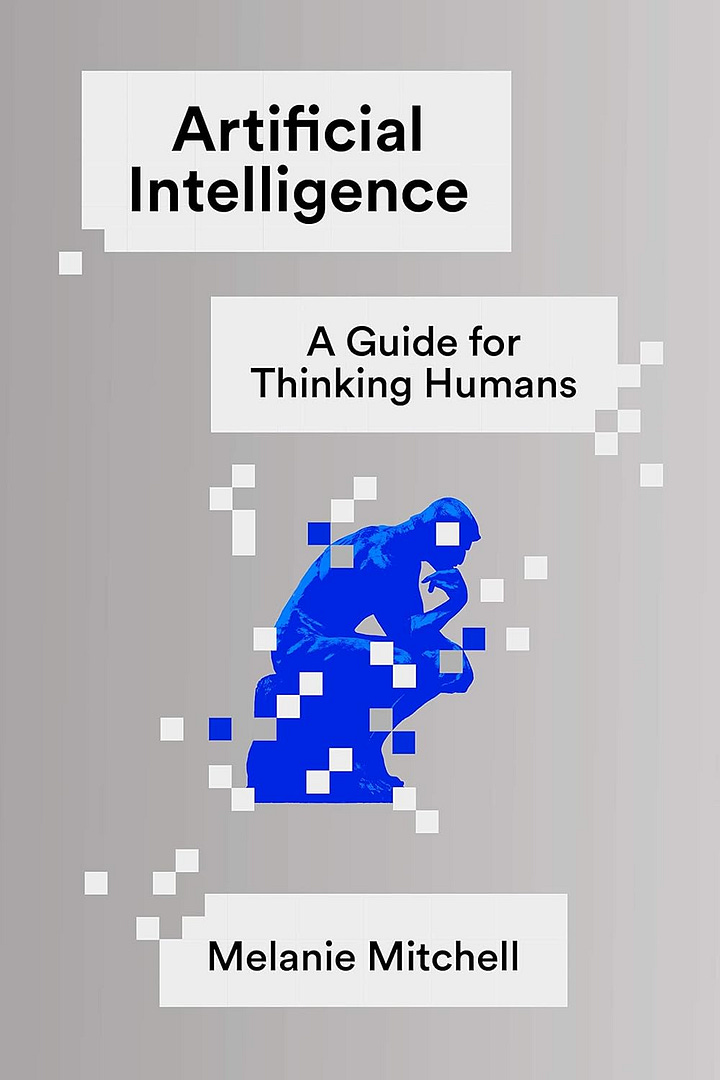
Artificial Intelligence: A Guide for Thinking Humans by Melanie Mitchell
What it’s about: An easy-to-read look at what AI is, how it works today, where it falls short, and the key ethical questions it raises.
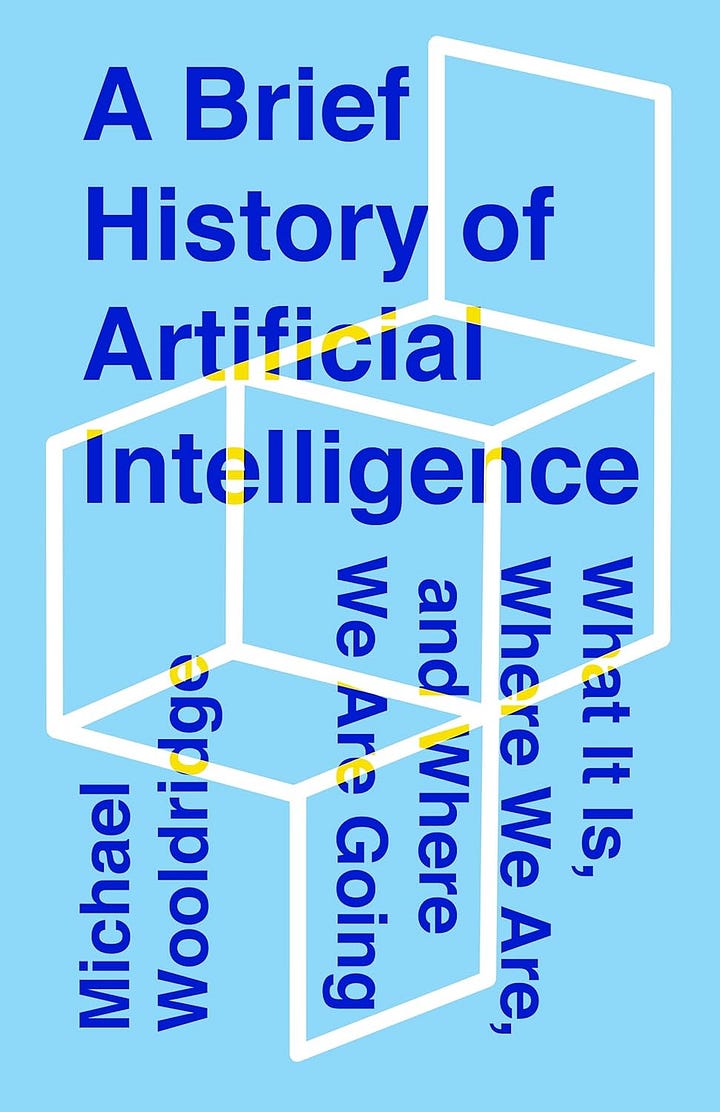
A Brief History of Artificial Intelligence by Michael Wooldridge
What it’s about: An overview from a leading AI researcher explaining how artificial intelligence has developed over time, where it is today, and what it could become in the future, along with its impact on society.


Thanks for writing this, it clarifies a lot. The explanation of diffusion models' iterative refinement offers a clear insight into their potential. How do you anticipate this refinement paradigme influencing future AI model evaluation metrics?