
TIME’s AI "People of the Year", OpenAI Updates, Google’s Product Velocity, and Fundraising News.
This Week in AI Newsletter: 12/11/2025

TIME named the “Architects of AI” as its 2025 Person of the Year, highlighting leaders driving the global AI race. The group of leaders shaping artificial intelligence, includes CEOs and key innovators such as Jensen Huang (Nvidia), Sam Altman (OpenAI), Mark Zuckerberg (Meta), Lisa Su (AMD), Demis Hassabis (DeepMind), Dario Amodei (Anthropic), and AI pioneer Fei-Fei Li. More here.

OpenAI:
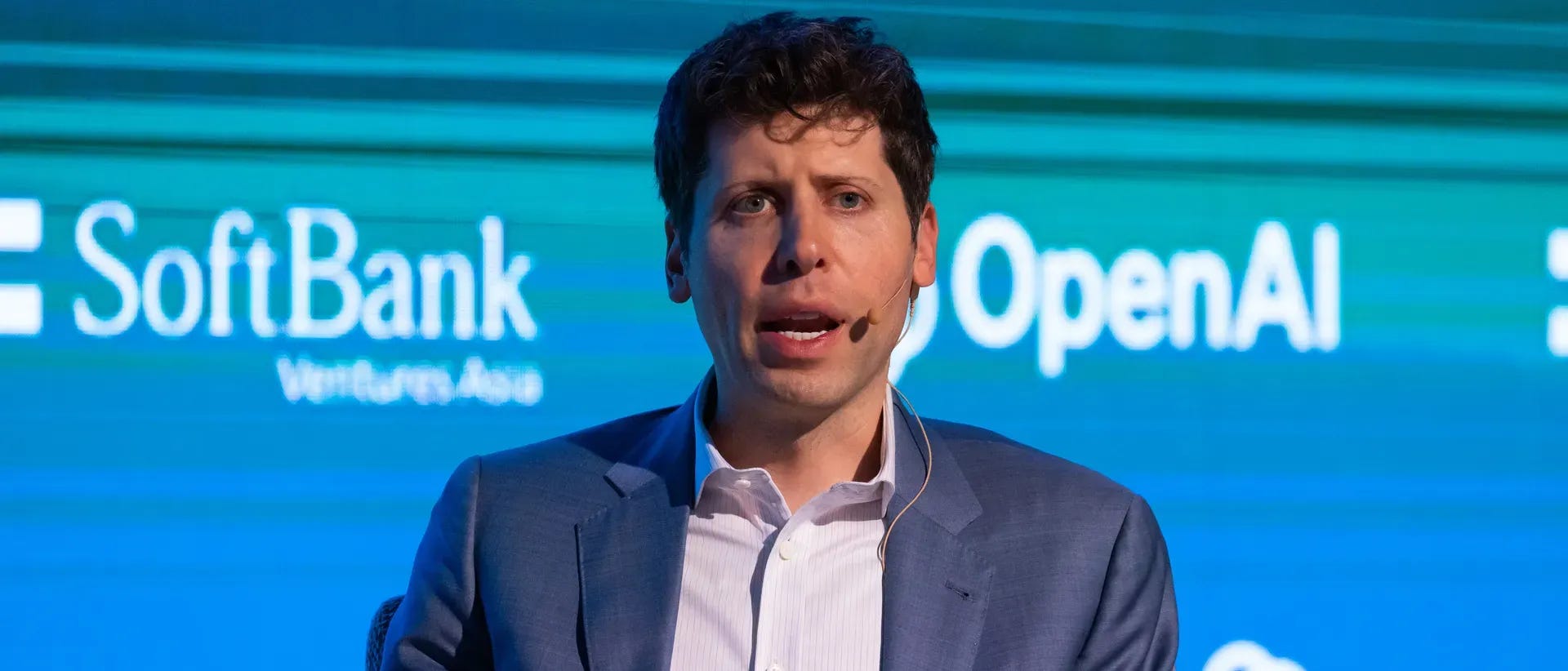
Disney has signed a three-year deal with OpenAI that lets Sora users create AI-generated videos featuring hundreds of characters from Disney, Pixar, Marvel, and Star Wars, while Disney also takes a $1 billion equity stake in OpenAI. The company says it will become a major OpenAI customer, using its APIs to build new products and experiences, including for Disney+, even as it continues to police unauthorized use of its IP by other AI platforms. More here.
Over the next few days, OpenAI will release a new frontier model according to Polymarket. Many are expecting ChatGPT 5.2. On Tuesday, december 9th, the odds on Polymarket that OpenAI would release a model by december 11th spiked to around 80%, and still hover there 2 days later. More here.
OpenAI is strengthening their models’ ability to conduct cyberdefense, measured against realistic threat scenarios, while adding safeguards so those same capabilities aren’t easily misused. More here. This comes 1 month after Anthropic published a blog covering how they discovered attackers were using Claude Code as an autonomous hacking agent. More here.
Google’s product velocity has been intense over the past few weeks with some of the highlights being Stitch and Pomelli. Stitch converts sketches and text prompts into functional UI code, while Pomelli generates marketing campaigns and assets by analyzing your website’s content. Demo coming soon.

Opera has launched Neon, a new AI-powered browser that costs $19.90 per month and uses your browsing history as context to answer questions, automate tasks, and help you build mini apps and videos. The subscription also includes access to top models like Gemini 3 Pro, GPT-5.1, Veo 3.1, and Nano Banana Pro, along with Opera’s community and direct contact with its developers. More here.
Fundraising:

Oslo-based startup Spoor uses computer vision to monitor bird populations around wind farms, helping operators cut collisions and meet tightening wildlife regulations. After doubling its detection range and reaching about 96% identification accuracy, the company raised an €8M Series A to expand across three continents and into sectors like airports and aquaculture. More here.
Israeli startup Port raised a $100M Series C at an $800M valuation to offer a proprietary alternative to Spotify’s open source Backstage, giving enterprises an internal developer portal that also manages AI agents. Its platform lets teams catalog and orchestrate agents, enforce guardrails via a “context lake,” and monitor performance, positioning Port as a key player in the increasingly crowded agentic tooling space. More here.
Harness, an AI-powered DevOps platform founded by AppDynamics creator Jyoti Bansal, raised a $240M Series E led by Goldman Sachs at a $5.5B valuation and is on track to surpass $250M in ARR in 2025. The company uses AI agents and a software delivery knowledge graph to automate the “after-code” work, testing, security, and deployment. More here.
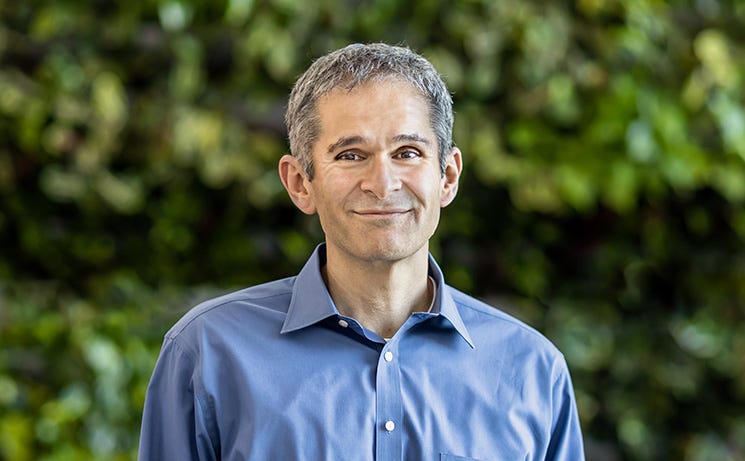
Google has promoted longtime infrastructure leader Amin Vahdat to chief technologist for AI infrastructure, reporting directly to CEO Sundar Pichai. The move shows how critical Google’s custom chips, data-center networks, and TPU’s have become in the intensifying AI arms race. Earlier this year, Vahdat debuted the company’s 7th-gen TPU, “Ironwood,” during a keynote. More here.