
The Peter Steinberger Story: $100M Exit, Dark Era, OpenClaw & Now OpenAI
This Week in AI Article: The Peter Steinberger Story

Here is how one of the wildest comebacks in tech actually happened:
Vienna Origins
Peter Steinberger studied medical computer science at the Vienna University of Technology starting in 2004. While still a student, he launched the university’s first Mac/iOS developer course and spent two years tutoring teams on Apple development. This was the early iPhone era. Most of the world hadn’t figured out mobile development yet. Steinberger was already teaching it.
After university, he moved to San Francisco, joined a startup as a senior iOS engineer, and stumbled into the most random problem imaginable. He tried to show a PDF on an iPad and it did not work well. His reaction: “I can do this better.”
Act One: 13 Years of PSPDFKit
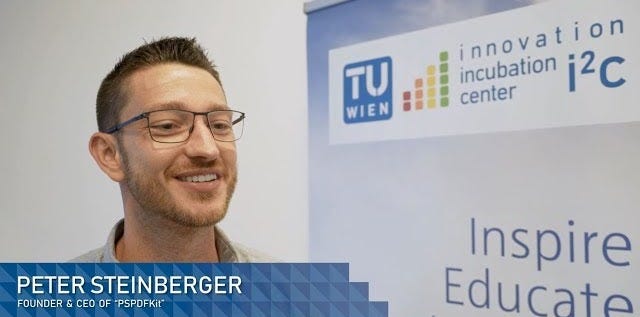
In 2011, Steinberger and co-founder Martin Schürrer decided to fix mobile PDFs to bring magazines to iPhones. They bootstrapped PSPDFKit with zero outside funding. (He’ll be the first to admit the name doesn’t roll off the tongue. As he joked on Lex Fridman’s podcast: “I’m really bad at naming. Like, name number five on the current project.”)
Over the years, PSPDFKit (now rebranded as Nutrient) grew from a two-person side project into a company powering PDF rendering on over one billion devices. Finance. Media. Enterprise. The team grew to around 50 employees, and PSPDFKit became the gold standard for document handling across mobile, web, and server.
Then came the exit. A €100 million+ strategic investment from Insight Partners. PSPDFKit’s first external funding in a decade of existence. Steinberger stepped back as CEO.
The Dark Period
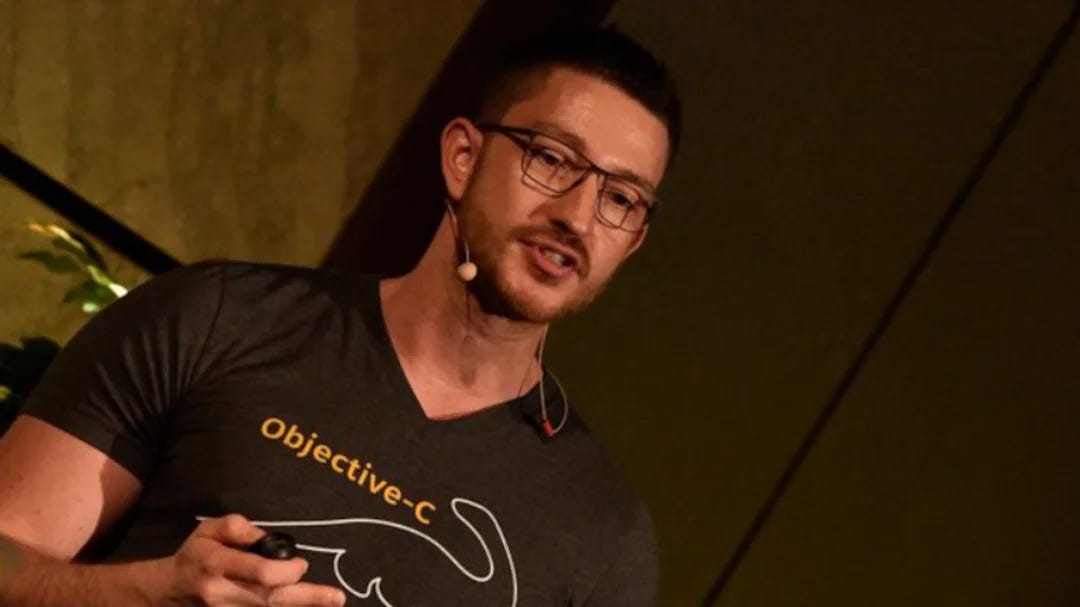
And then he hit a wall.
Thirteen years of high-stress & high-pressure situations had burnt him out. He’d spent two years making himself obsolete before he left PSPDFKit cleanly.
Then he sat down in front of his screen and felt nothing. He couldn’t get code out anymore.
So he booked a one-way ticket to Madrid and disappeared. He traveled. He tried to “catch up on life.” He had the money, the freedom, and absolutely nothing to look forward to.
On Lex Fridman’s podcast, he was blunt about what this time was like: “If you wake up in the morning and you have nothing to look forward to, no real challenge, that gets very boring, very fast. And then when you’re bored, you’re gonna look for other places to stimulate yourself, and that will lead you down a very dark path.”
Peter struggled to find purpose. And for three years, he didn’t have any.
Most people never come back from that.
Experimentation & Building

In 2025, the AI wave pulled him back in. He started building many different projects or experiments. Two of them led to the big breakthrough:
In April he fed his WhatsApp data into GPT-4.1’s massive context window. It generated insights about his friendships that were so profound, they brought his friends to tears. Assuming the major AI labs would naturally build these types of deeply personal assistants, he moved on to other experiments.
He also built ‘vibetunnel,’ a weekend project bringing his local Mac terminals to the web. When it hit memory issues, Peter used a single AI prompt to translate the entire TypeScript codebase into Zig, rewriting the whole system in one shot.
By November 2025, he decided to build himself a personal assistant that could act, not just answer questions based on his learning from his previous experiments; something he always wanted. He later explained:
“I was annoyed that it didn’t exist, so I just prompted it into existence.”
This all happened right before a trip to Marrakesh with friends, he spent one hour building v1 of his personal assistant: hooking WhatsApp up to Claude Code’s CLI. Message comes in, call the CLI, get a string back, send it to WhatsApp. That’s it. He spent a few more hours wiring up image support so he could snap a photo of a poster or a street sign and have the agent figure out the context.
Then he landed in Morocco. And the shaky internet actually made it better. WhatsApp works on edge networks. So he started using it constantly. Translate this menu. Explain this sign. Find me restaurants, translate the reviews, handle the booking. Just having an agent doing Google for you while you’re walking around a foreign city.
There was something about talking to an agent through a chat client while sitting back on vacation that felt fundamentally different from using a terminal behind a computer.
But the real “holy sh*t” moment came when he sent a voice message through WhatsApp by accident. And it responded. He had never set up voice support. The agent recognized the file type and built support for voice, all on its own.
That was project 44.
The Rise (and Near-Death) of OpenClaw
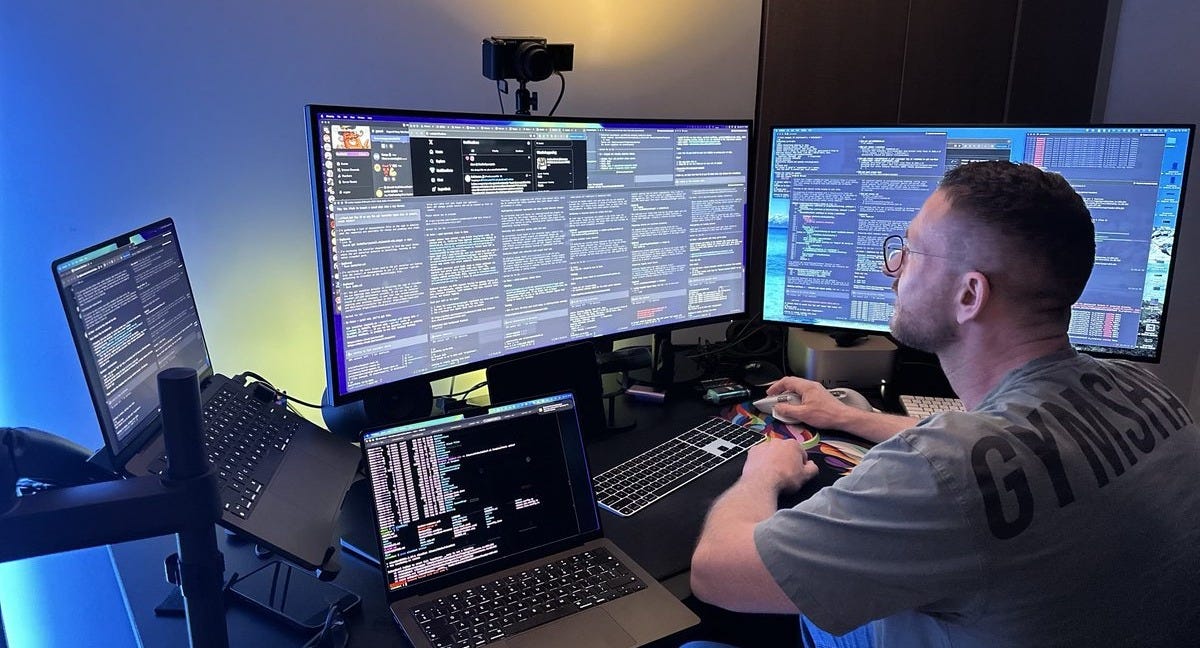
That prototype evolved into Clawdbot, an open-source autonomous AI agent that could clear your inbox, manage your calendar, send emails, check in for flights. All through WhatsApp or Telegram. All running locally on your device.
It went viral immediately.
Then Anthropic hit him with a trademark complaint over the “Clawdbot” name (too close to “Claude”). He renamed it MoltBot. Within seconds, crypto scammers hijacked his domains and accounts around the new name. The stress nearly broke him. He came close to deleting the entire project and walking away for good.
Instead, he did a secret rebrand. MoltBot became OpenClaw.
OpenClaw has became the fastest-growing project in GitHub history. 200,000+ stars.
Right now I enjoy life, the most I’ve ever enjoyed life. Because if you wake up in the morning and you have nothing to look forward to, you have no real challenge, that gets very boring, very fast.
Joining OpenAI
Both Meta and OpenAI came knocking (and I am sure many others).
Fifteen years ago, this guy was teaching iOS in a Vienna lecture hall. Then he tried to show a PDF on an iPad, thought “I can do this better,” and bootstrapped a company used on a billion devices. Then he disappeared for three years. Then he vibe-coded 43 projects and one world-changing agent during a birthday trip in Marrakesh.
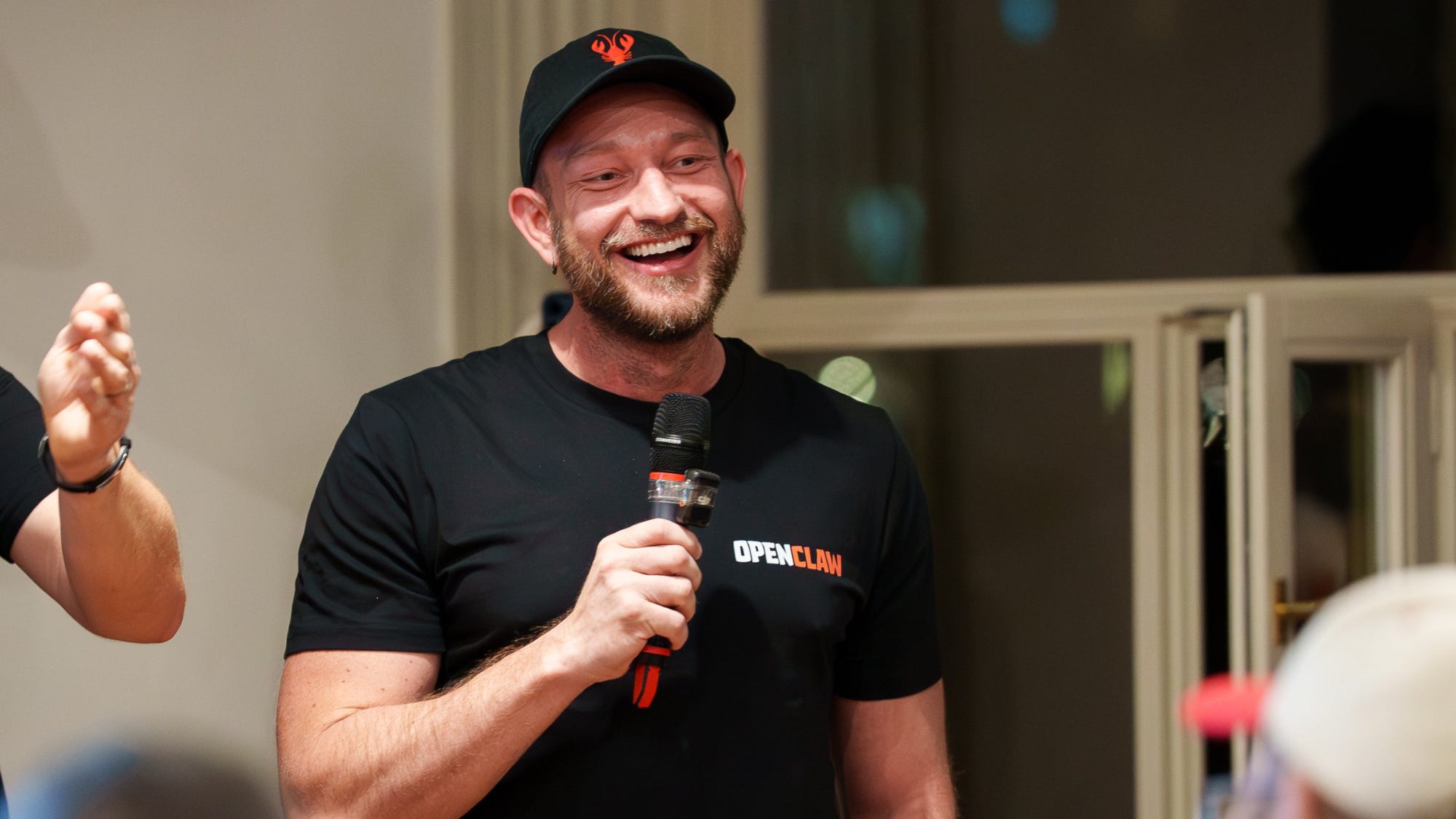
I just started listening to his interview with Lex. Very interesting.