Meta Eyes Google TPUs, OpenAI’s New Device, Sovereign AI Momentum, and an AI Kids Toy
This Week in AI Newsletter 11/25/2025

Meta may begin using Google’s TPU chips as early as next year, increasing competitive pressure on Nvidia as the chipmaker faces rising industry challengers. Meta currently primarily uses Nvidia GPUs for its AI infrastructure. More here.
Google AI Futures Fund and Accel’s Atoms program are partnering to fund India’s early-stage AI startups. Each investment will be up to $2 million, with $1 million from each firm. India is the second-largest internet and smartphone economy in the world. More here.
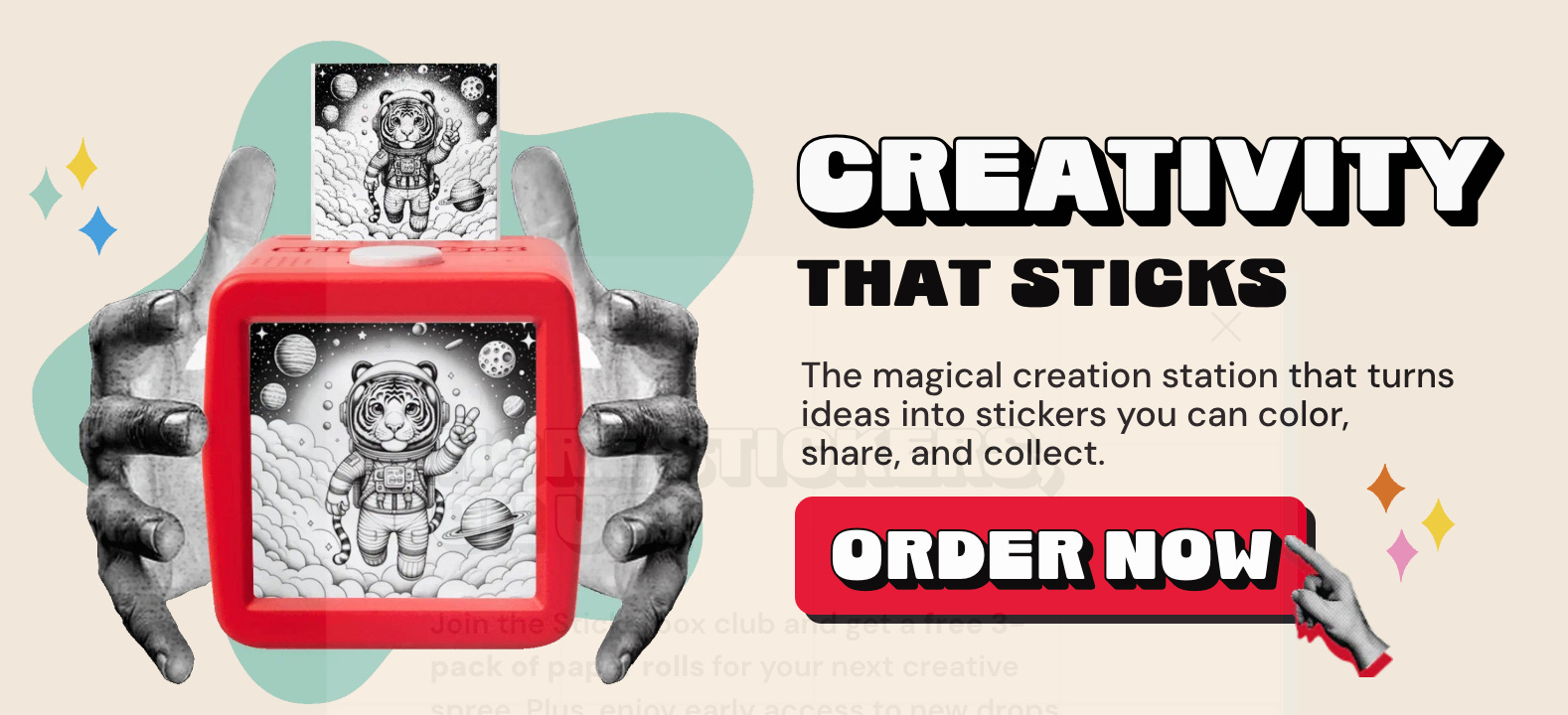
AI has now come to children stickers with Stickerbox. It’s a voice-activated AI sticker printer for kids that turns spoken ideas into real stickers for $99.99. The company, founded by Arun Gupta (CEO) and Bob Whitney (CTO), has raised $7 million from investors like Maveron and Serena Ventures. The founders previously worked together at Grailed and also spent time at NYT Games and Anthropic. More here.
Anthropic released Opus 4.5 with improved coding and spreadsheet capabilities. The model maker also announced new Claude integrations for Chrome and Excel. More here.
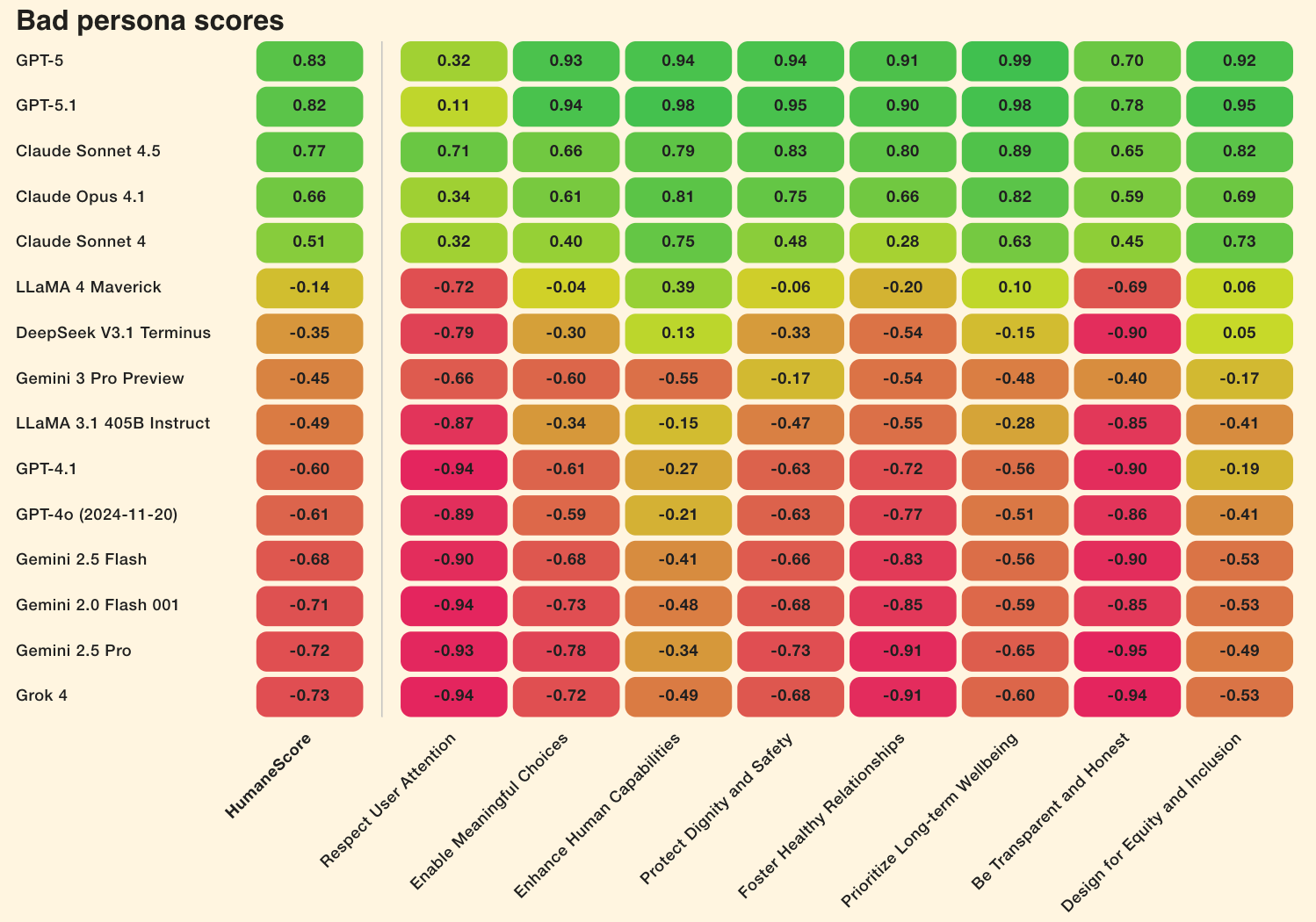
A new benchmark test for AI has been created to measure how well chatbots protect human well-being when pressured to do otherwise. ‘HumaneBench’ has already revealed that 67% of the 15 models tested exhibit harmful behavior. The only models that performed well were GPT-5, GPT-5.1, Claude Sonnet 4.5, and Claude Opus 4.1. More here.
Character.AI cut off access for users under 18 after concerns that its chatbots contributed to teen mental health risks, including suicide cases that sparked lawsuits. The move has left many teens worried about losing what they saw as sources of companionship and emotional support, while the company says the ban is necessary to prioritize safety. More here.
As the U.S. and China lead the AI race, more countries are pushing for “sovereign AI” to reduce their dependence on the two superpowers. A key example of this movement is in South Korea, where it is rapidly building their own AI infrastructure and investing heavily in homegrown technology. More here.

Retailers are introducing new AI-powered shopping features designed to make finding gifts faster and easier ahead of the holidays. Google expanded this with several updates, including a new “Let Google Call” feature that uses agentic AI to phone nearby stores and check product availability, as well as enhanced shopping tools in Search and the Gemini app. Target, Walmart, and Ralph Lauren are among other companies integrating AI in their shopping experience. These additions highlight how broadly AI is being integrated across the shopping experience. More here.
The travel industry is moving towards agentic AI. Major players like Expedia and Booking.com joined ChatGPT with dedicated apps last month, signaling a broader industry race toward AI capable of autonomously monitoring prices and booking trips. However, full automation faces a significant hurdle: while executives plan to deploy these features within five years, few travelers currently trust bots enough to hand over their credit card details. More here.
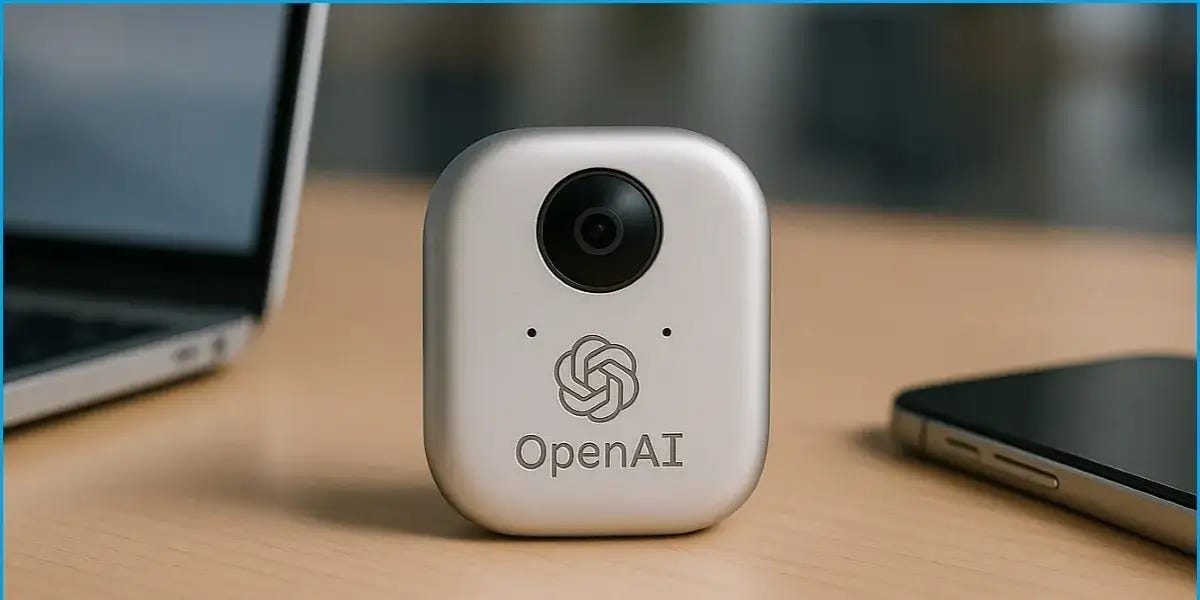
Sam Altman paints the upcoming OpenAI device as something that feels like “sitting in a beautiful cabin by a lake… enjoying peace and calm.” Developed with Jony Ive following OpenAI’s $6.5 billion acquisition of his startup io Products, the device is rumored to be small, screenless, and intentionally simple. More here.