
Meta Buys Limitless, Trump’s “One Rule” AI Order, and Space-Based AI Compute Coming Fast
This Week in AI Newsletter: 12/8/2025

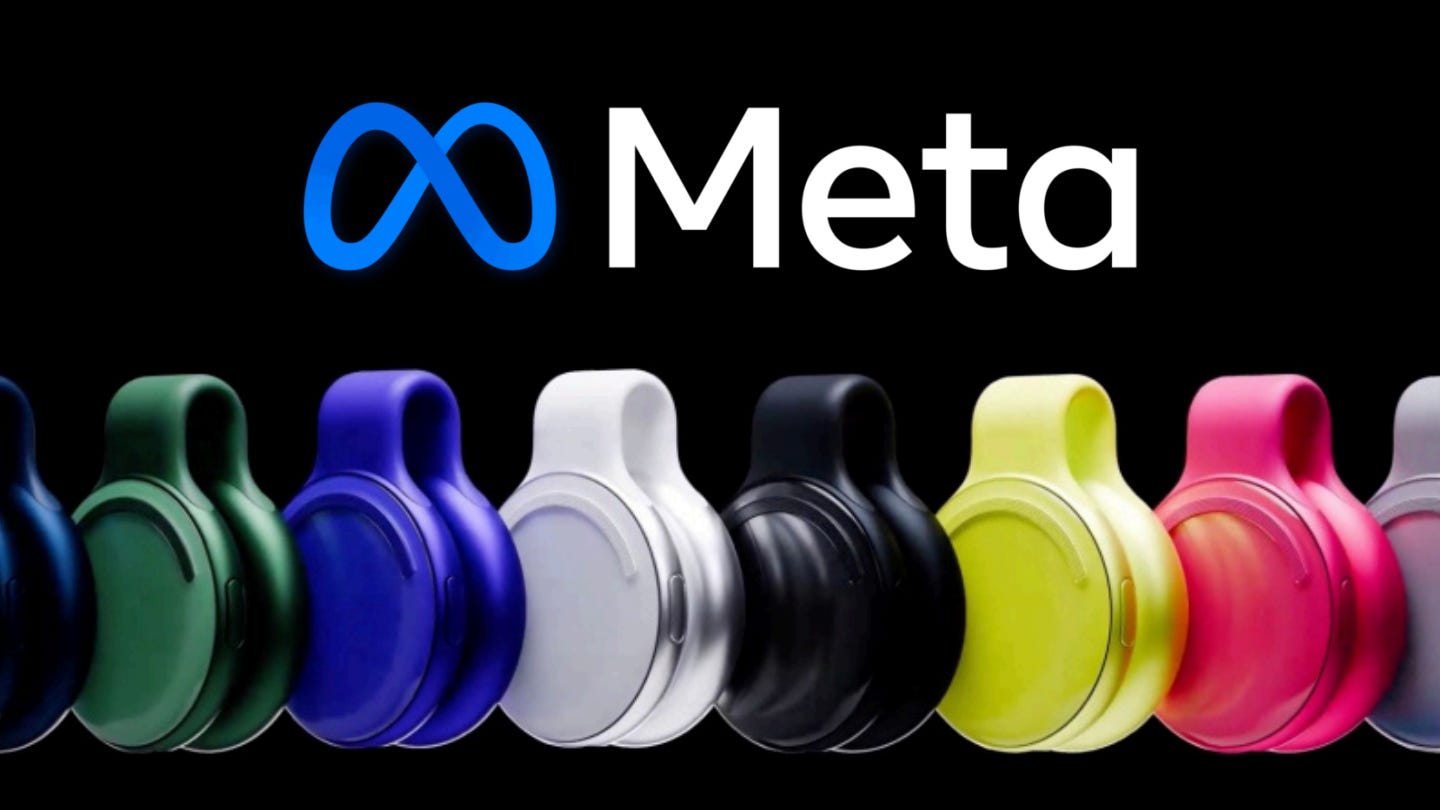
Meta acquired AI device startup Limitless. The company will cease sales of its pendant hardware, but continue supporting existing customers for another year. The deal reinforces Meta’s push into AI-powered wearables, as the company races to put more AI features into devices like smart glasses and other always-on personal assistants. More here.
President Trump will sign a “one rule” executive order on AI this week, arguing companies can’t navigate “50 approvals” across states. The move could speed AI deployment and investment while raising questions about who sets safety standards and how enforcement works. More here.
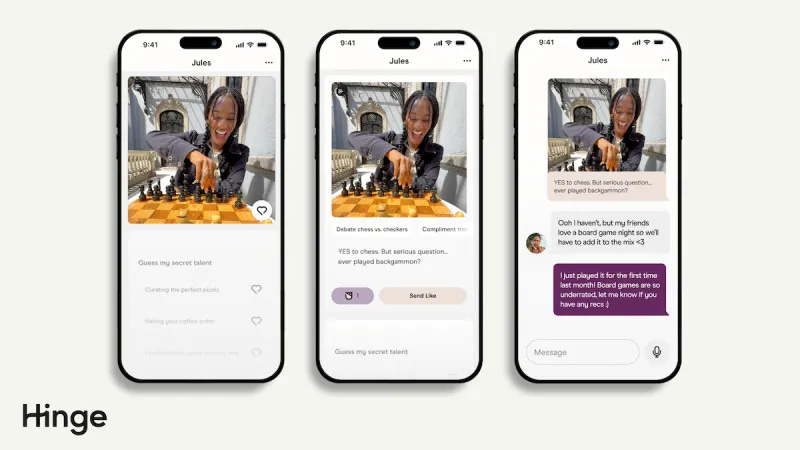
Hinge unveils AI Convo Starter after its parent company allocated $20-$30 million towards AI. Earlier this year, they released the Prompt Feedback feature, which helps users improve their prompts by encouraging more specific, engaging details. More here.
A video shared to X shows two Waymos that ‘slightly collided’ in San Francisco, just sort of hanging out in the street. This comes the day after footage was released showing the moment a Waymo killed a beloved SF bodega cat, Kit Kat. These are the edge cases that Waymo will need to limit to continue boosting trust for autonomous vehicles. More here.

Elon Musk said on X yesterday that AI could get cheaper by running compute directly on satellites in orbit and only beaming the results back to Earth, this could making space-based AI one of the lowest-cost options. Longer-term, he claims Moon-based satellite factories and an electromagnetic railgun for launches could dramatically scale AI capacity. More here.
OpenAI turned off ChatGPT’s in-chat app suggestions, which some users said felt ad-like, just a week after CEO Sam Altman called a “code red.” The move likely aims to show that they are focused on the core offerings. App lead Nick Turley said OpenAI isn’t running any official live ad tests, despite recent user reports of a Target placement. Despite users recently seeing a Target placement, app lead Nick Turley clarified that the company is not running any official live ad tests. Meanwhile, OpenAI highlighted its market dominance with data showing that 36% of U.S. businesses use ChatGPT Enterprise, compared to just 14.3% for rival Anthropic. More here.
Yoodli has tripled its valuation to over $300 million after raising a $40 million Series B. Founded by two Ex-Googlers, the company’s AI-powered role-play coaching focuses on helping people practice and improve communication skills, positioning AI as an assistive training tool rather than a replacement for human coaches. More here.
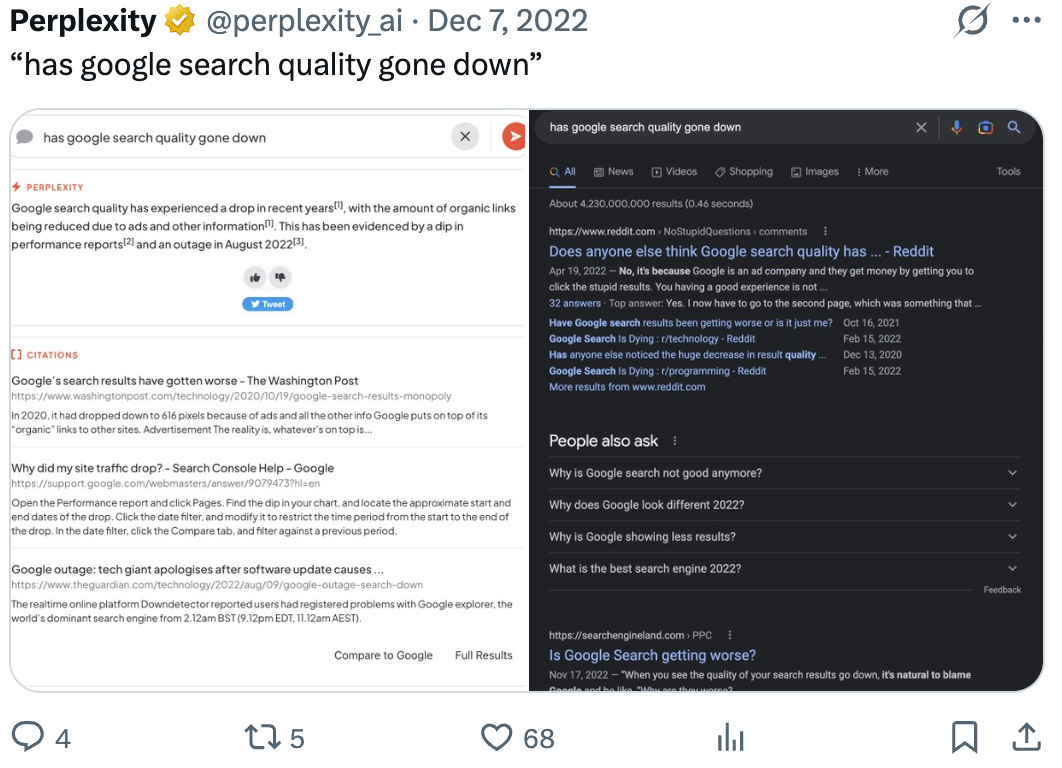
Perplexity celebrates 3 years since the release of Perplexity Ask, which used OpenAI GPT 3.5 and Microsoft Bing to directly answer your questions. They focused on summarizing the search results and including citations. More here.
WSJ reports that the Russian government’s ambitious AI plans are facing setbacks triggered by Western sanctions and war which cut off key hardware, capital, and talent. Russia has a deep dependence on China for the compute, models, and tooling needed to stay competitive in the AI race. The first AI-powered Russian humanoid fell face first on stage last month, putting their struggles on full display. More here.
Great read