
Bezos’ New Co-CEO Role, Google’s AI Lead, Job Risk Ahead, and GPUs in Space
This Week in AI Newsletter 11/17/2025

OpenAI paid Microsoft $493.8 million in 2024 and $865.9 million through the first nine months of 2025, according to reporting from Edward Zitron, for a total of about $1.36 billion in revenue-share. Beyond that, OpenAI has also paid Microsoft Azure an additional $12.43 billion for compute and inference since 2024. More here.
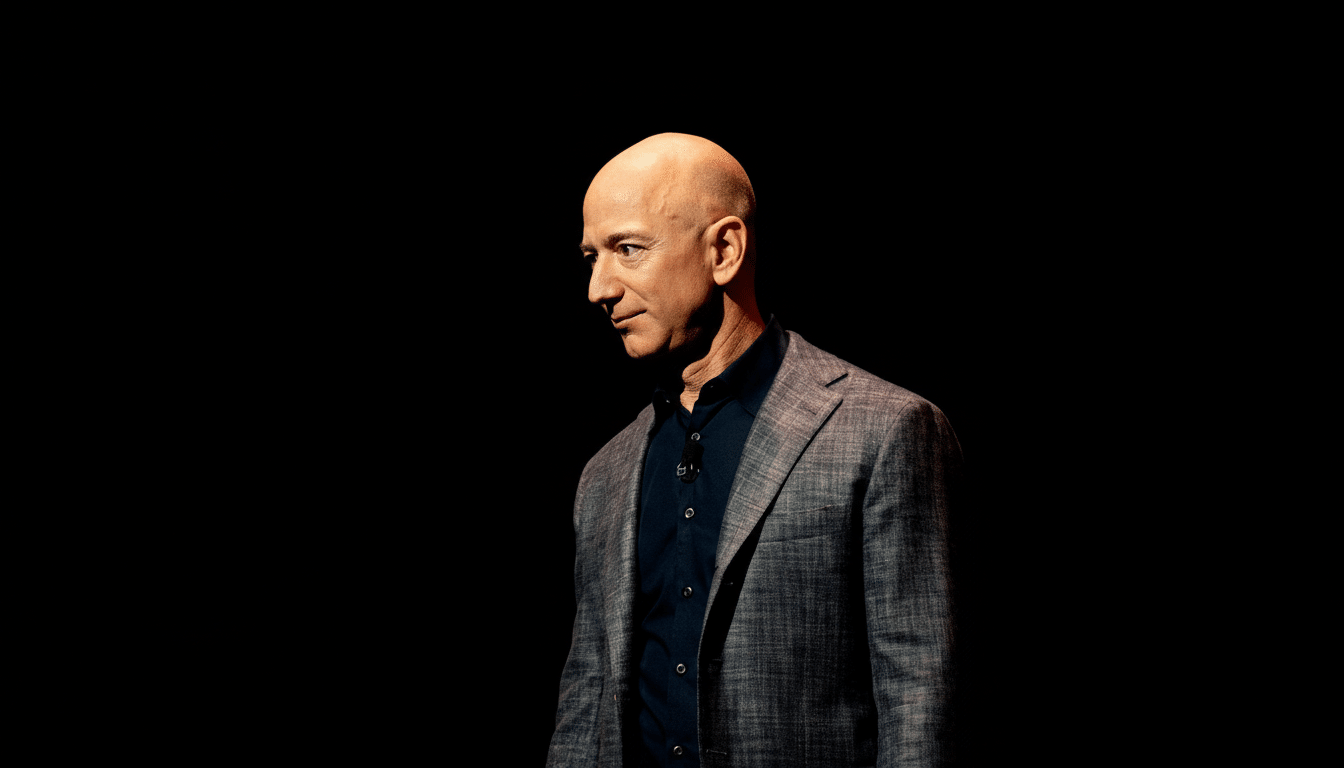
Four years after stepping down as Amazon’s CEO, Jeff Bezos re-entered the arena as co-chief executive of a new startup called Project Prometheus. Backed by $6.2 billion in initial funding, the company already assembled a team of more than 100 researchers from OpenAI, Google, and Meta. While details remain scarce, the company’s LinkedIn page says it is focused on applying “AI to the physical economy.” More here.
Fundraising news
Bone AI raised $12 million to unify software, hardware, and manufacturing. The Seoul-based company builds AI-driven air, ground, and marine vehicles for defense and government clients. It already brings in $3 million in annual revenue and holds multiple seven-figure government contracts. More here.
Japan’s LLM startup Sakana AI has raised $135 million in Series B funding, giving the company a $2.65 billion post-money valuation. Founded by three former Google researchers, it focuses on building AI models tailored to small datasets and Japanese cultural context. More here.
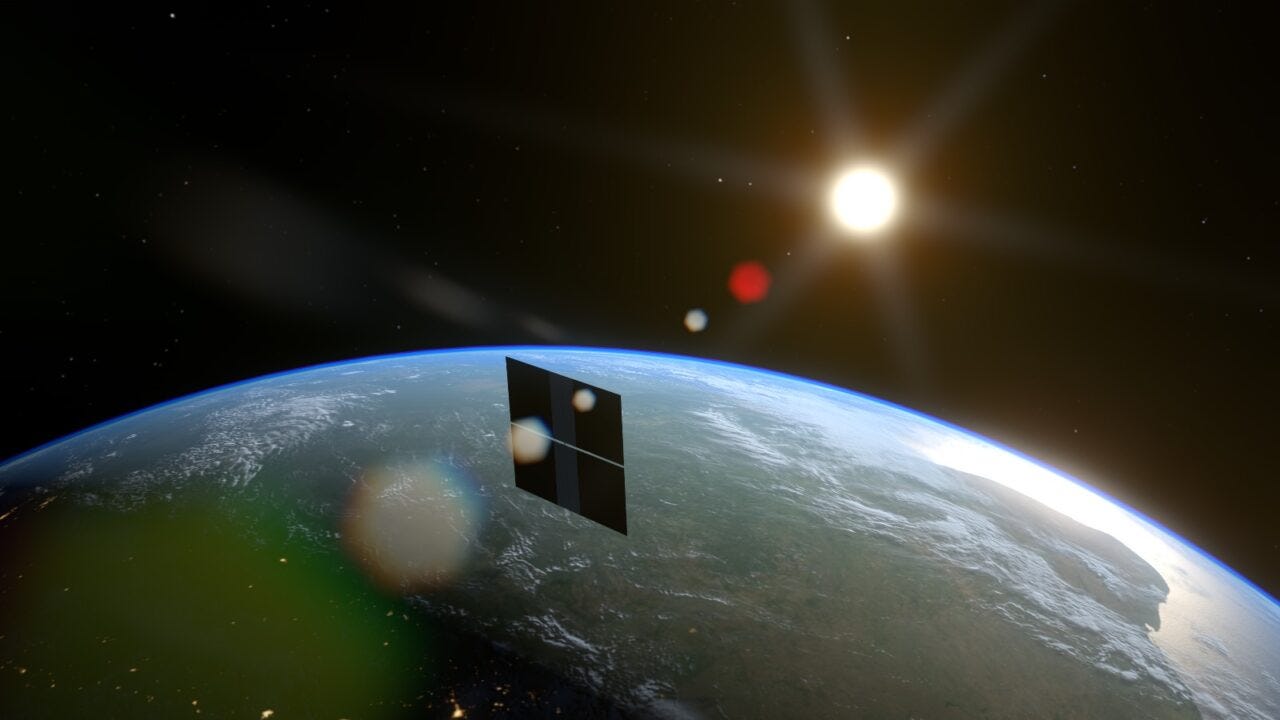
As spaceflight becomes more routine, momentum is building around the idea of placing data centers in orbit. SpaceX’s steady launch cadence and Blue Origin’s recent success landing its first reusable boosters have renewed interest in putting data centers in orbit. Jeff Bezos and Elon Musk argue that both the Moon and low-Earth orbit offer continuous access to solar power, creating an ideal environment for next-generation AI data centers. Startups like Starcloud, focused on building data centers in orbit, are primed to take advantage of this movement. More here.
Why space?
Lower energy costs — abundant solar power and natural radiative cooling
Unlimited scalability — no land, zoning, or terrestrial constraints
Faster deployment — bypasses slow permitting and infrastructure bottlenecks
According to his hedge fund’s latest filing, Peter Thiel has begun selling down his Nvidia stake. SoftBank also unloaded $5.83 billion worth of shares this month, while Michael Burry, of The Big Short fame, moved his entire portfolio into short positions against Nvidia and Palantir. More here and here.
Anthropic CEO Dario Amodei says AI could wipe out half of all entry level white collar jobs, bringing unemployment to 10% to 20%. Video here.
Google is testing new multi-agent tools in Gemini Enterprise that can generate about 100 research ideas in 40 minutes and rank them using a tournament-style system. The two features — Idea Generation and Co-Scientist — show how automated research workflows are becoming routine. More here.
Microsoft is hiring, and they want you to be proficient in vibe coding and prototyping. They name dropped AI tools: Figma Make, Lovable, and Claude. More here.

How dominant is Google in today’s AI landscape? Google is #1 in all of these LM Arena leaderboard:
Text (gemini-2.5-pro)
Vision (gemini-2.5-pro)
Image Edit (gemini-2.5-flash-image-preview [nano banana])
Text to Video (veo-3.1-audio)
Image to Video (veo-3.1-audio)
Recent Demos:
Love this perspective! Bezos jumping back into AI with Project Prometheus is fascinating. How do you see 'AI to the physical ecomony' evolving? Always appreciate your insights!